If your car looks dull in direct sunlight or has fine circular marks after washing, you may be wondering whether it needs a wax or professional paint correction. For drivers comparing paint correction in Olympia, WA, the important difference is that these services do different jobs: waxing adds a temporary protective layer, while paint correction carefully polishes certain defects in the clear coat.
What does car wax do?
Wax sits on top of the paint and can add gloss, water beading, and a short-term barrier against everyday contamination. It can improve the appearance of an already clean finish, but it generally does not remove swirl marks or scratches. Its durability depends on the product, weather, washing routine, and how the vehicle is stored.
What does paint correction do?
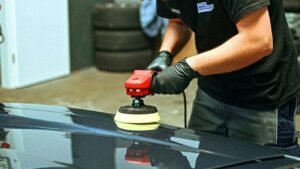
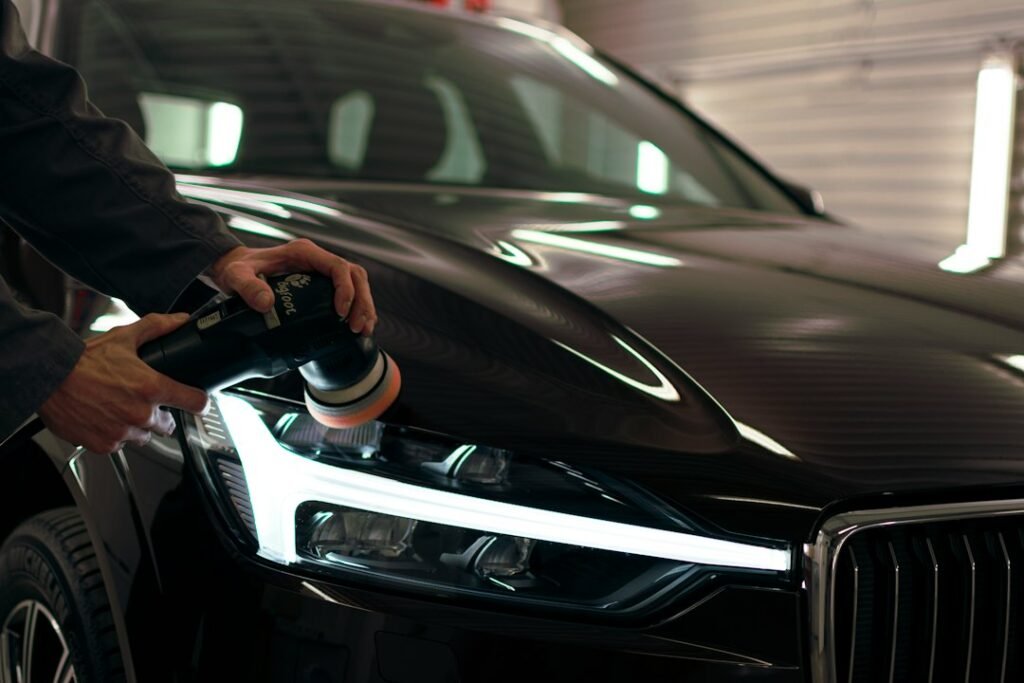
Paint correction uses machine polishing and appropriate compounds or polishes to reduce selected surface defects, such as light swirl marks, haze, and some fine scratches. The goal is to improve clarity and reflection. Because correction removes a very small amount of clear coat, it should be based on the paint’s condition and a realistic assessment of what can be safely improved.
How can you tell which service you need?
- The paint looks good but needs protection: A suitable wax or paint-protection option may be enough.
- The paint has light swirls or haze: A professional assessment can determine whether polishing or paint correction is appropriate.
- The paint has deep scratches or chips: Wax will not fix them, and polishing may not safely remove them. Touch-up or body repair may be needed.
- You want a glossy finish with easier maintenance: Discuss paint preparation and protection options, including ceramic coating.
Why safe washing matters in Olympia
Road grime, rain, pollen, and outdoor contaminants can build up on a car in the South Sound. Washing with dirty tools, using too much pressure against the paint, or wiping away grit can create fine marks. Use a safe wash routine, clean microfiber materials, and suitable products to reduce unnecessary contact damage.
Should you correct paint before ceramic coating?
Often, paint correction or at least careful preparation is considered before applying a ceramic coating because the coating may lock in the visible condition of the paint. The level of correction needed varies. If the car is already in good condition, extensive polishing may not be necessary.
Learn about paint correction at PNW Auto Salon and our ceramic coating service.
How much does paint correction cost?
Cost varies with vehicle size, paint hardness and condition, defect severity, and the amount of polishing required. A one-step enhancement is different from a multi-stage correction. Photos can help start the conversation, but an in-person inspection is more reliable for determining the right process and expected results.
Book a paint assessment in Olympia, WA
PNW Auto Salon helps Olympia-area drivers choose detailing and paint-care services based on their vehicle’s condition and goals. If you’re unsure whether your car needs waxing, polishing, or paint correction, share what you see in the finish and how you maintain the vehicle.
Visit the paint correction service page, review our auto detailing options, or contact us to request an estimate.
Frequently asked questions
Does waxing remove swirl marks?
Wax may temporarily make some marks less noticeable, but it does not correct the paint defects that cause them.
Can every scratch be polished out?
No. Deep scratches that reach through the clear coat or paint may need touch-up or body repair instead.
How often should paint correction be done?
There is no fixed interval. Correction should be performed only when needed, because polishing removes a small amount of clear coat. Safe washing and sensible protection help maintain results.